
Fruits That Start with T: Ten Tasty Fruits to Try Today
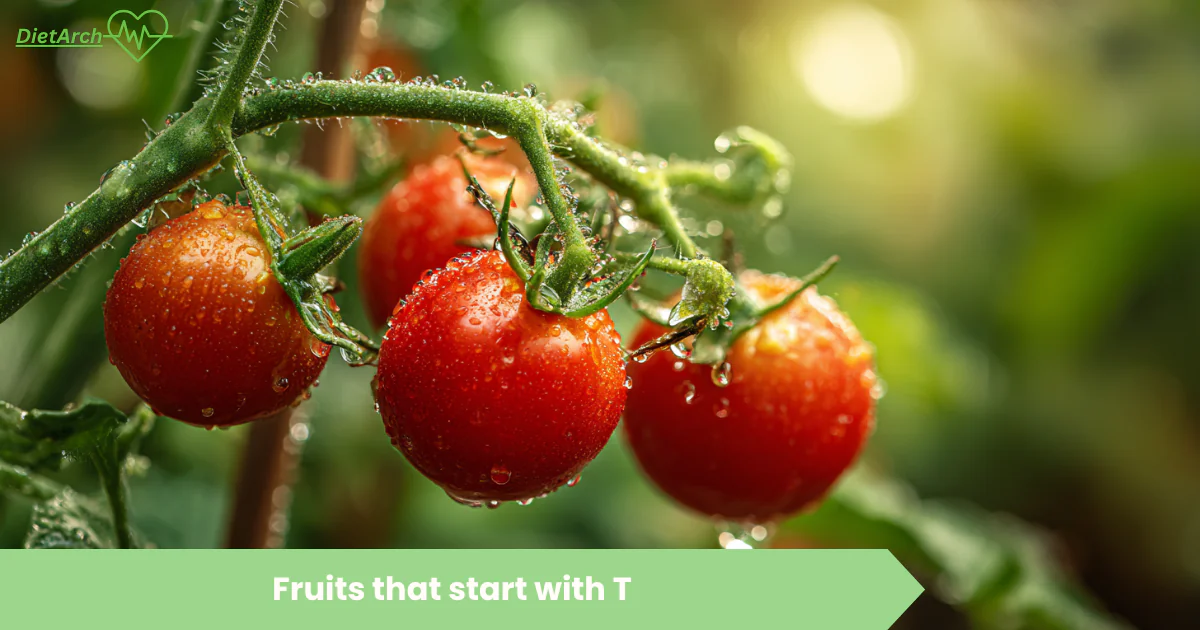
Fruits that start with t bring a world of tastes, textures, and nutrients. Whether you’re looking for something sweet, tart, or exotic, these varieties deliver. In this feature, we look at ten top examples, nutritional data, cultivation notes, and how they compare in worldwide consumption trends.
Global Fruit Consumption & Trends
A comprehensive global study covering the years 1990‑2021 shows that average fruit intake rose from about 86 grams/day to approximately 122 grams/day per person. Yet many health guidelines recommend around 340 to 350 grams/day for optimal benefit.
In 2023, global fruit production exceeded 951 million metric tons; bananas alone accounted for over 139 million tons. Many of the varieties we’ll discuss are produced in much smaller volumes but offer unique flavors and health benefits.
Top 10 Fruits That Start With T
| Fruit | Origin & Growing Region | Flavor Profile & Culinary Use |
|---|---|---|
| Tangerine | China, widely cultivated in subtropical climates | Sweet, citrusy; easy to peel; great as snack or fresh juice |
| Tomato | Originally South America; now globally | Often used like vegetable; essential in sauces, salads, cooked dishes |
| Tamarind | South Asia & parts of Africa | Tangy‑sweet with sour undertones; used in beverages, chutneys, sauces |
| Tamarillo (Tree Tomato) | Andes region; also in warmer climates | Slightly tart and aromatic; good in jams, desserts, cooking |
| Tangelo | Hybrid citrus; warm climates | Juicy, sweet‑tangy; ideal for juice or fresh eating |
| Tayberry | UK & Europe; cool temperate | Sweet berry flavor; eaten raw or preserved in jams |
| Tangor | Hybrid of orange & tangerine varieties | Mildly sweet, aromatic; fresh or juiced |
| Tart Cherry | Temperate regions like North America & Europe | Sour and fragrant; excellent in pies, preserves, sauces |
| Texas Persimmon | Southern USA & Mexico | Sweet when ripe; usually eaten raw or fresh |
| Thimbleberry | North America | Soft and fragrant; often used for dessert, jams |
Nutrition & Health Benefits
These ten choices are not just flavorful—they offer real health value:
- Vitamin C & antioxidants: Citrus fruits like tangerine, tangelo, and tamarind help boost immune response and reduce oxidative stress.
- Dietary fiber: Berry types such as tayberry and thimbleberry contribute helpful fiber for digestion and for regulating blood sugar.
- Low‑calorie yet nutrient dense: Tamarillo delivers about 40 kcal per 100g while providing vitamins A, C, potassium and phytonutrients.
- In a similar way that blue vegetables have pigments like anthocyanins, many fruits from this list show colorful compounds linked to health—deep reds, bright oranges, intense purples.
Growing Conditions, Harvest & Seasonality
Each fruit has specific climate preferences and harvest times:
- Warm & tropical zones: Tamarind, tamarillo, Texas persimmon grow best in frost‑free conditions with strong sunshine.
- Citrus hybrids: Tangelo and tangor prefer subtropical climates, with protection from cold snaps. Tangerines also need mild winters and warm summers.
- Cool temperate regions: Tart cherries and thimbleberries require periods of chilling; they are sensitive to frost and have short harvest seasons.
Harvest seasons vary widely: citrus types often peak in winter; berry types and cherries peak in late spring to early summer; others like tamarillo ripen in late summer/fall.
Culinary Uses & Flavor Pairings
You can enjoy these in many ways:
- Fresh eating: Tangerine, Texas persimmon, and tayberry are delightful raw.
- Cooking & baking: Tart cherry creates depth in pies; tomato, tamarillo shine in sauces or salsas.
- Preserves, chutneys & jams: Tamarind paste, tayberry jam, thimbleberry preserves add unique flavors.
- Beverages: Juice blends with citrus (tangelo, tangerine) are refreshing; tamarind drinks are popular in many cuisines.
Why These Fruits Add Value
Here are reasons these selections matter beyond flavor:
- Variety: Introducing less common options broadens culinary horizons.
- Nutritional diversity: Different micronutrients, pigments, and fibre contents support health.
- Support for biodiversity & small growers: Many of these fruits are grown by smaller farms, heirloom lines, and contribute to agricultural resilience.
Related Topics & Search Suggestions
If you want deeper knowledge, try exploring terms like tropical fruits, berry fruits varieties, hybrid citrus, flavor pairing with spices, or exotic food travel.
Final Words
If you usually stick to apples or bananas, consider trying some of these marvelous fruits that start with t. Each one carries unique color, taste, and health potential. Whether you cook with them, eat them fresh, juice them, or preserve them—you’ll gain something new in flavor and nutrition. Add one or two to your next grocery haul and enjoy exploring produce beyond the usual.